Improve your recruitment and retention of Aged Care and Disability staff using our “Word of Mouth” recruitment strategy
Recruitment and retention is an ongoing challenge the health and community services industry has faced for many years. And now, with record low unemployment rates across Australia, combined with the “great jobs boom” following the wind-up of COVID lockdowns, the competition for high-quality support workers, administrative staff and front-line managers is even higher.
With this increased competition, it is even more difficult for traditional job ads to cut through and find the people we need. Employers are increasingly using word-of-mouth referrals to identify and recruit new employees to supplement their existing recruitment efforts.
A pre-COVID study from the Australian Government into recruitment and retention in Aged Care and Disability sectors highlighted that around two-thirds of employers were already filling vacancies through word-of-mouth referrals. Interestingly, employers also rated personal qualities as more important than relevant qualifications or experience. Desirable personal qualities included good people skills, work ethic and communications skills.
These findings raise two critical questions about how we recruit effectively by “word of mouth”.
Firstly, if we value recruits highly for their personal qualities, how does this align with traditional recruitment techniques that rely heavily on pre-screening of resumes and job applications focused on a person’s experience and qualifications?
And second, do our front line staff have a clear idea of what type of person we are looking to recruit? Does their concept of what makes an ideal employee align with our HR team and leadership?
We recommend that employers take these four steps to help improve the effectiveness of their word-of-mouth recruitment campaigns.
step 1 - Develop a compelling “Employee Profile”
Position Descriptions can spell out the duties and responsibilities of a role but are often not suitable to use as a job marketing tool. And while your staff may understand the day-to-day duties of the job, there is a risk that your employees may simply refer their friends rather than identify the most qualified people in their network for the role.
To overcome this, we find it beneficial to develop an Employee Profile for each advertised role, providing a snapshot of an ideal employee for that position. We like to use a Head, Heart, Hands approach to do this.
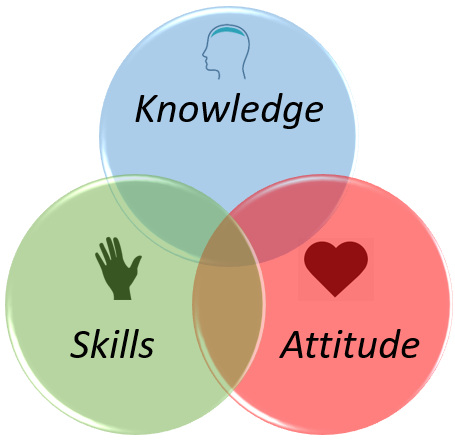
HEAD: High-level summary of the KNOWLEDGE required to work effectively in the role. Rather than simply listing a qualification or certification, identify the specific expertise people need to know. Examples include:
Understand good infection control practices in aged care
Understand the definition of and requirements for reporting a “restrictive practice”
Understand strategies to engage people with an intellectual disability in a learning task.
HANDS: This highlights the personal and professional SKILLS you are looking for in your employees. It goes beyond generic statements such as “good communication skills”. Examples include:
Can communicate specific information and develop rapport with people with limited capacity for speech
Can influence and engage a diverse group of people to achieve a common aim
Can effectively advocate the wants and needs of a person with a disability to NDIS service providers.
HEART: This highlights the ATTITUDE and values of the people you seek. It typifies the ethos and reflects the values of your best people. Examples include:
Strong desire to improve the quality of life of older Australians
Adaptable to flexible and changing work environments
Demonstrates honesty and integrity in their everyday work.
Once you have completed your employee profiles, you can cast a fresh set of eyes over your Position Descriptions to see if they align with the profiles and industry best practices. If you are looking for best practice industry resources, you can start with:
Disability Sector- National Disability Services (NDS) Career Planner and Capability Framework
Aged Care Sector- Aged Care Workforce Industry Council Resources
step 2 - Develop Marketing materials
Based on the “Employee Profile”, develop a range of marketing materials for your staff to help them promote word-of-mouth referrals. Examples include:
Template emails they can easily forward to their network
Printed brochures or flyers
Company intranet and website sources that they can direct their network to for more information
It is also essential to identify a clear point of contact to capture your word-of-mouth referrals.
step 3 - Identify individuals or communities who can help to spread the word.
Do you have an employee with an extensive personal network developed through their local sports club or Church? Do you know which employees live locally in the geographic areas you want to expand into or struggle to find staff?
Do your research, and approach key individuals who can give you the best chance of recruiting the people you want.
step 4 - Incentivise your staff to refer
A good incentive program doesn’t have to be about cash giveaways. Get creative about what your staff value and what you can realistically deliver. And remember, when you make good on the incentive, make sure you provide it on time, in person (if possible) and with genuine thanks.
If you need help putting together your “Word of Mouth” recruitment strategy, get in touch with us for a confidential discussion about your needs.